He Grew to 14M+ Views, Here’s the Creator Character System Behind It
A framework for builders who’d rather code than market, from the creator of the 14M+ view system.
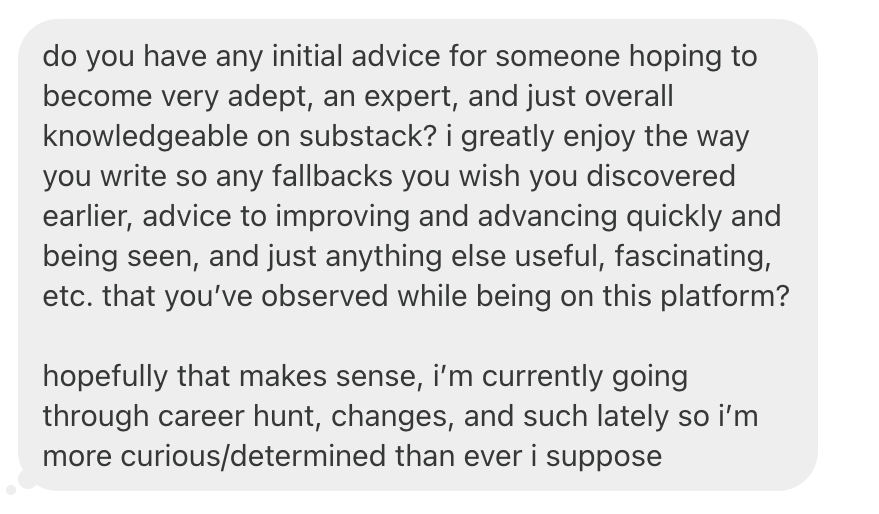
Last week, a community member asked me how to build a Substack brand and become a valuable voice in general.
Screenshot of the community member’s question
I appreciated the question. But here’s what I realized: my answer would be “just start writing and experimenting, don’t overthink it”, because that’s what I did. And while that’s truly what I think, it doesn’t give someone a clear path forward.
I’d written about my brand-building journey before for ’s Write10X. It shared what worked for me retrospectively. When James later wrote his guest post here about building an “unpromptable” personal brand, he brought systematic frameworks, specific prompts, repeatable strategies. His approach complemented what I do: I build intuitively and share the journey; he maps the systems behind intentional brand building.
But that still left me without a clear answer to give that community member who asked for guidance. So when offered to contribute a guest post about building a creator brand for builders who’d rather code than market, I got curious.
Timo booked a one-way ticket to Bali after high school, started his English personal brand on X, grew it to 14M+ views on a viral thread, and skipped college. What clicked for me is that willingness to just try something without traditional credentials, without having it all figured out first; that’s exactly the spirit I treasure in the Build to Launch community. And unlike my intuitive approach, he’s developed a systematic framework for teaching it.
So here comes Timo, sharing his framework for building your Creator Character. It’s a different approach than mine, and that’s exactly why I wanted to share it with you.
Enjoy!

Howdy, People🤠
You’ve built an app. It works like magic and even solves a real problem.
But now you’ve hit the part every builder quietly dreads.
Marketing.
For coders, marketing is like going to the dentist.
Nobody actually likes it, but deep down, you know it’s good for you.
It’s the thing you keep putting off, telling yourself you’ll deal with “later,” even though “later” never comes.
But don’t you worry. ;)
Jenny was so nice and let me on here to take you by the hand and help you with the hardest part…
And that’s like everywhere in live…
Starting.
So how are we going to begin?
The only way you know how.
By building something.
But this time, we’re not building an app, we’re building your Creator Character.
It’s the foundation of your personal brand.
In 2025, the best product doesn’t always win, but the best storyteller does.
I will not teach you how to become an influencer or chase vanity metrics.
Because our goal today is to pour the foundation for your brand that lets people connect with the real you.
The builder, the thinker, the person behind the code.
And if you want to stay off-camera or out of the spotlight, that’s completely fine.
Plenty of creators build entire brands without ever showing their face.
They use simple avatars, cartoon versions of themselves, or abstract visuals that still reflect their identity.
The brand works because the message and personality are clear, not because of the person’s photo.
So we’ll start right here, right now.
You already know how to build apps.
Now it’s time to build your creator character, the one people will remember, trust, and follow.
This is not just a “read and forget everything after 2-minute mail”
I actually built a free worksheet for you to go along with it.
You can use it to write everything down: Your purpose, your mission, your mentors, your voice, your strengths, your colors (all of the good stuff we will get into.)
By the time you fill it out, you won’t just have notes; you’ll have a complete version of your Creator Character, something real you can keep coming back to as you grow.
…
Have it ready?
Great, let’s get started! :D
1\. Core Brand Identity
This is the soul of your personal brand.
It’s what you stand for.
The energy people feel when they consume your content.
And most importantly…
It’s what they remember you for.
Let’s break it down:
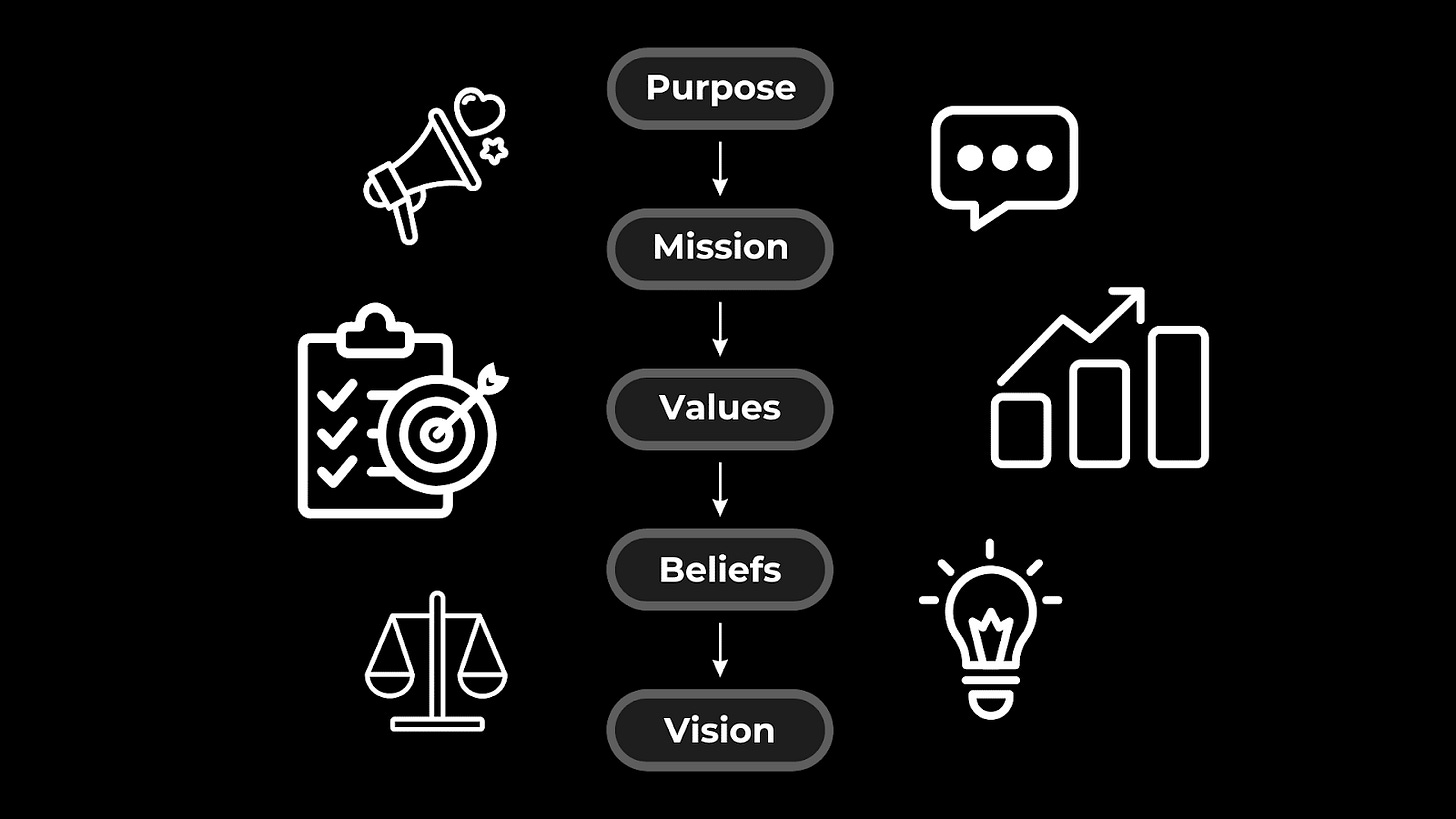
1.1 Purpose & Mission
Purpose is why you create.
It’s your deeper reason for doing this beyond views and money.
Mission is what you’re trying to accomplish and who you’re trying to help.
Examples:
Purpose: “To make indie app building feel accessible to solo devs..”
Mission: “To help 1,000 indie developers learn how to launch and grow their first app audience.”
Purpose is your internal why.
The fuel that keeps you building even when no one’s clapping.
If you can’t quite phrase it yet, let AI help you capture the essence.
Prompt:
I want to clarify my creative purpose. Based on this short description of what drives me [paste 3–5 sentences about why you build, what excites you, and what you care about changing] write one clear, authentic purpose statement in under 20 words. Avoid corporate language and buzzwords.
That’s your purpose: your emotional engine, summarized in one line you actually believe.
Now convert that spark into something directional.
Your mission is the what and who, a measurable or practical way your purpose shows up in the world.
Prompt:
Using this purpose statement [paste your purpose] generate 3 mission statement options that describe what I’m trying to accomplish, for whom, and how. Keep each one under 25 words, action-focused, and specific enough that I could track progress.
1.2 Core Values & Anti-Values
Values are your internal compass.
They shape how you think, write, sell, and show up.
Anti-values are the things you reject (the stuff you want to distance yourself from.)
Examples:
Values: Curiosity, transparency, experimentation, craftsmanship
Anti-values: Gatekeeping, hype culture, burnout glorification, overengineering
Your values define your vibe, your standards, and your boundaries.
These shape the tone, energy, and message of your brand.
If you already have some skin in the social media game, then you can use AI to figure out your values & anit-values for you.
Prompt:
Analyze this sample of my writing and behavior as a creator [paste 3–5 examples such as tweets, posts, bios, or reflections]. Identify the key values that guide how I build and communicate, expressed as short, clear phrases (max 6 words each). Then, for each value, generate one opposite ‘anti-value’ that represents what I want to avoid or reject. Format the result as a two-column table labeled Values and Anti-Values. Keep the language human, not corporate.
1.3 Beliefs & Strong Opinions
These are the non-negotiables that drive your worldview.
They are the unpopular opinions you’re not afraid to say.
Examples:
“Good code is invisible.”
“Marketing isn’t lying; it’s storytelling for people who care..”
“You don’t need VC money to build something meaningful.”
Strong beliefs act like magnets.
They attract people who think like you and push away those who don’t.
And that’s a good thing.
You can use your results from the step before and some AI magic to get some inspiration.
Prompt:
Using the following list of my core values and anti-values [paste your table] generate 5–7 strong beliefs or opinions that fit within my niche: [describe your niche briefly, e.g., ‘indie app development,’ ‘creative freelancing,’ ‘AI writing,’ etc.]. Each belief should be written as a short, declarative statement (under 20 words) that expresses conviction, not fluff. For each one, include a one-sentence explanation showing why it matters to people in this niche. Keep the tone authentic and confident, not preachy.
1.4 Long-Term Vision for Your Brand and Product
Where do you really want to go with all this?
Not just your next release, but your trajectory.
Are you trying to bootstrap a sustainable business?
Build tools for a community?
Transition into teaching?
Your long-term vision becomes the north star that aligns all your short-term moves.
It helps your audience see you as a long-term builder, not a one-hit experiment.
Write it down. Treat it like your personal README.
Prompt:
Using the following details
• Purpose: [paste your purpose statement]
• Mission: [paste your mission statement]
• Core Values & Anti-Values: [paste your table]
• Niche or focus area: [describe your space briefly, e.g., ‘AI tools for writers’ or ‘bootstrapped SaaS builder’]
Write a 3-year brand vision statement describing where I could realistically be if I stayed consistent.
Include:
1. What kind of impact I’ll have made (on people, industry, or culture).
2. The type of products, content, or community I’ll have built.
3. How my values shape the way I operate. Keep it under 200 words. Use a conversational tone. confident, human, not like a corporate deck.
2\. Mentors
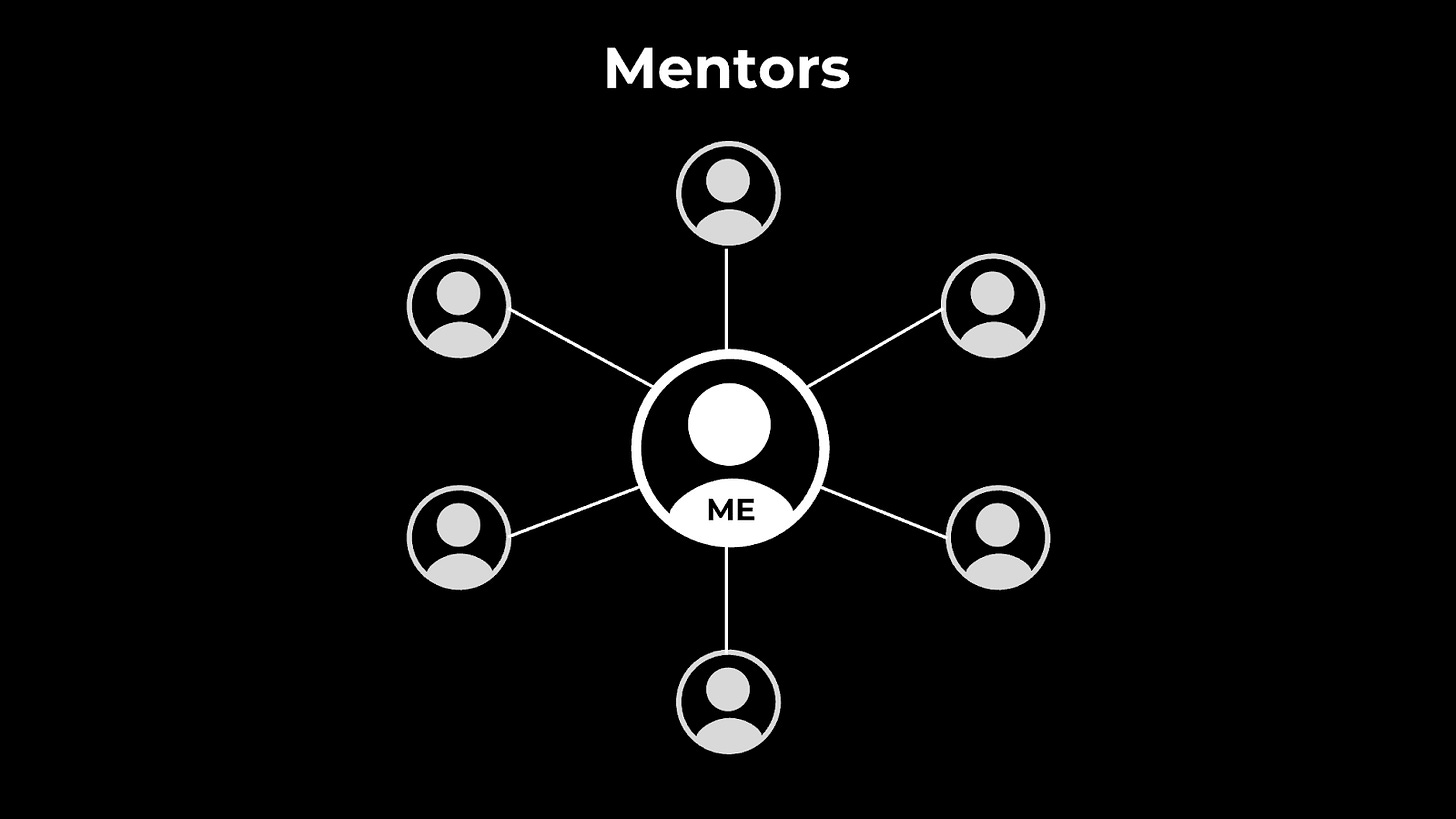
Nobody builds in isolation, not even in open-source.
Every great creator learns by studying those who’ve already done it.
Your mentors are proof that what you want to achieve is possible.
They’re your “source code” for inspiration.
STEP 1: Pick Your Mentors
Start by finding builders whose approach resonates with you.
Look for people whose values and style feel aligned with the kind of creator you want to become.
These could be indie hackers who openly share their numbers, developers who tell stories about building in public, or founders who’ve nailed product storytelling.
Some examples:
Notion Team – brilliant at showing personality through design.
Josh Comeau – kind, educational, beautifully designed content.
Pieter Levels – transparent, raw, ships fast, doesn’t overcomplicate.
Sahil Lavingia (Gumroad) – clear, minimalist, focused on simplicity and community.
Choose 3–5 core mentors, the ones whose work you’ll study closely.
Then, pick a few “secondary” mentors, people who do one thing exceptionally well, like design, storytelling, or audience growth.
Think of this like building your personal advisory board.
Each one covers a different skill set that you want to absorb.
STEP 2: Break Down What You Love About Them
Once you’ve picked your mentors, it’s time to analyze why they resonate with you.
Look at the details, the patterns that make their work feel effortless and impactful.
Ask yourself:
Worldview: What principles or opinions drive their content?
Writing/Communication Style: Are they technical, funny, or straightforward?
Visual Branding: What colors, layouts, or styles make their posts instantly recognizable?
Content Formats: Do they tweet, write threads, post tutorials, or share product updates?
Monetization Strategies: How do they actually earn from what they share: Courses, SaaS, sponsorships, consulting?
Study how they structure posts, how they explain technical stuff without sounding robotic, how they make people care.
The learning is not in copying their tone, but rather in understanding why it works.
And now we can use AI to be our personal researcher to find out all this stuff for us. :)
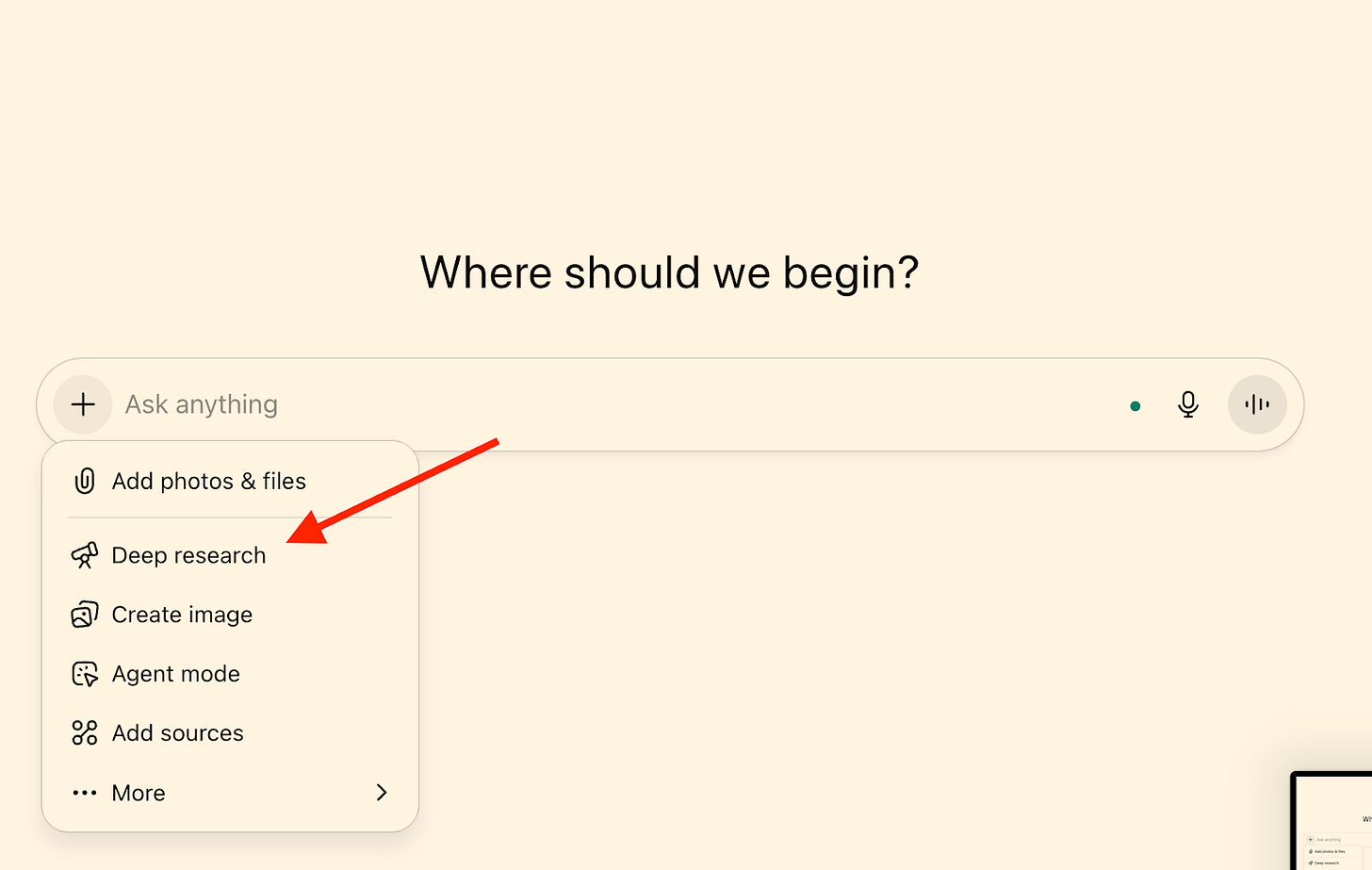
This time, we will use a prompt in the deep research mode for the best results
Prompt:
Act as my research analyst. I want a detailed report on mentors or creators who operate in this field and share a similar direction to mine.
Niche: **[briefly describe your niche, e.g., ‘AI writing,’ ‘indie app development,’ ‘bootstrapped SaaS,’ or ‘creative freelancing’]
**
Goals: [one sentence about what I’m building or teaching, e.g., ‘I’m building small AI tools and documenting the process to teach others how to monetize their own projects.’]Based on this information, identify five mentors or creators who are active in or adjacent to my space.
For each mentor, include:
1. Profile summary: Who they are and what they’re known for.
2. Worldview: Their main beliefs or recurring principles.
3. Communication style: Tone, structure, and storytelling approach.
4. Signature content formats: The mediums they rely on most (e.g., essays, newsletters, threads, tutorials, videos).
5. Visual identity: Notable design cues, colors, avatars, or overall style.
6. Monetization model: How they earn from their work (products, SaaS, courses, sponsorships, consulting).
7. Audience growth habits: Three repeatable behaviors or tactics that help them grow and engage their audience.
8. Actionable insights: Three lessons or strategies I could realistically adapt to my own niche and goals.Present findings as a structured, insight-driven report—one section per mentor—with practical details instead of generic praise.
AI will hand back a focused breakdown of the creators worth learning from.
who they are, how they operate, and what you can adopt without losing your authenticity.
That means no more guessing which mentor fits your goals.
You’ll see the data right in front of you.
STEP 3: Combine & Remix
Here’s where the fun begins.
Take the best parts from each mentor and blend them into your own formula.
Maybe you like how Pieter ships fast, how Josh teaches beautifully, and how Sahil writes simply.
Now mix those traits into your version.
The goal is to remix the traits you admire into something that feels authentically yours.
Study from the greats.
Extract the best parts.
And then make it unmistakably you.
3\. Unique Brand Voice
Your voice is how you sound when you write or speak online.
It’s the fingerprint of your communication, the thing that makes people recognize you in a sea of content.
It’s what makes people feel like they know you, and it should be consistent across platforms.
How do you figure out your brand voice?
Think of it like setting your personal style guide, but for communication instead of code.
There are a few simple variables that define it:
Personality: Are you analytical, playful, no-BS, or encouraging?
Tone: Are you more supportive, bold, sarcastic, or straightforward?
Energy: Do you sound calm, hype, motivational, or chill and grounded?
Vocabulary: Do you use short, simple sentences or more technical, precise language?
Our goal is that you sound like you, instead of being a copy of everyone else in the tech bubble.
Examples of voice styles
Here are a few examples you can look at for inspiration:
Witty & Casual: — conversational, meme-friendly, human.
Clear & Calm: James Clear — simple language, structured ideas, no ego.
Warm & Insightful: — relatable, reflective, emotionally intelligent.
Bold & Blunt: — high energy, punchy delivery, straight to the point.
If we translate this to the dev world:
Helpful & Curious, like Josh Comeau.
Or Philosophical & Minimal, like Paul Jarvis.
You might be Direct & Practical, like Pieter Levels.
If you already have some content written, you can use AI to figure out your brand voice for you.
Prompt:
Analyze the following writing samples [paste 2–3 short examples of your writing or posts].
Identify the recurring patterns in tone, vocabulary, sentence length, and energy.
Summarize my writing voice in 5 descriptive words.
Then, write a short paragraph explaining how I can make this voice more consistent and recognizable across all my content.
Finally, generate 3 alternative versions of one of my samples written in slightly different tones:
• one more friendly,
• one more professional,
• one more energetic —
so I can compare and choose which version feels the most ‘me.’
Pick 3-5 words to define your ideal voice.
That’s your vibe.
And your vibe attracts your tribe. :D
4\. Your Strengths & Weaknesses
Every creator has strengths that make them stand out and weaknesses they try to hide.
You don’t need to pretend to be perfect.
In fact, people relate more when you’re not.
Start With Your Strengths
Your strengths are your superpowers.
They’re the skills and traits that make building feel natural to you.
Start identifying them with a quick audit:
Creation:
Ask: What kind of content or product do I make most easily?
Examples: Explaining technical ideas clearly, building tools quickly, visual design intuition
Communication:
Ask: What feedback do people repeat about my work?
Examples: Clarity, humor, honesty, motivation
Strategy:
Ask: Where do I make fast, accurate decisions?
Examples: Prioritization, pattern recognition, execution speed
Learning:
Ask: What do I pick up faster than most?Examples: New tech, writing styles, user psychology
How to use this:
Rank each area from 1–5 (1 = struggle, 5 = natural).
Circle everything that’s 4 or 5. Those are your strength pillars.
Build your brand and product strategy around them instead of chasing what everyone else values.
Whatever your edge is, double down on it.
Build your content, your product, and your personal brand around those traits.
Now, Face Your Weaknesses
You probably already know what they are.
Maybe it’s being on camera or talking about your product without feeling cringe.
Good. Acknowledge them. Then decide what to do about them.
You’ve got two options:
Improve them. Treat them like bugs in your communication stack. Small fixes over time make a big difference.
Outsource or adapt. If you hate being on camera, don’t force it. Write or use visuals, there’s always a format that fits your comfort zone.
Here’s the process:
**List the tasks you avoid.
**Anything that triggers procrastination is probably a weak spot.
Example: being on camera, promoting your work, designing visuals, explaining things verbally.Label them:
Fixable: You can improve this with consistent reps or practice.
Flexible: You can adapt the task to your comfort zone.
Outsourceable: Someone or something (AI included) can handle it better.
Assign one small action per weakness.
Fixable → set a weekly practice goal.
Flexible → reframe it to fit your natural style.
Outsourceable → hand it to AI or a collaborator.
Example:
You hate writing marketing copy → use AI to generate first drafts.
You freeze on camera → use screen recordings or visuals instead.
You overthink design → use a premade brand kit and focus on consistency.
The worst thing you can do is hide.
Your weaknesses aren’t liabilities but a precious part of your character arc.
Your journey of improvement will inspire others, and your strengths will be the engine that drives results.
Both make your brand stronger and more unique.
5\. Visual Identity
Your visual identity is basically your design layer, the frontend of your personal brand.
The thing people see before they ever read a line of your content.
And before you panic…
No, you don’t need to become a designer overnight.
You just need to keep things consistent. :)
You know how some apps or creators just “feel” familiar when you see them?
That’s design consistency at work.
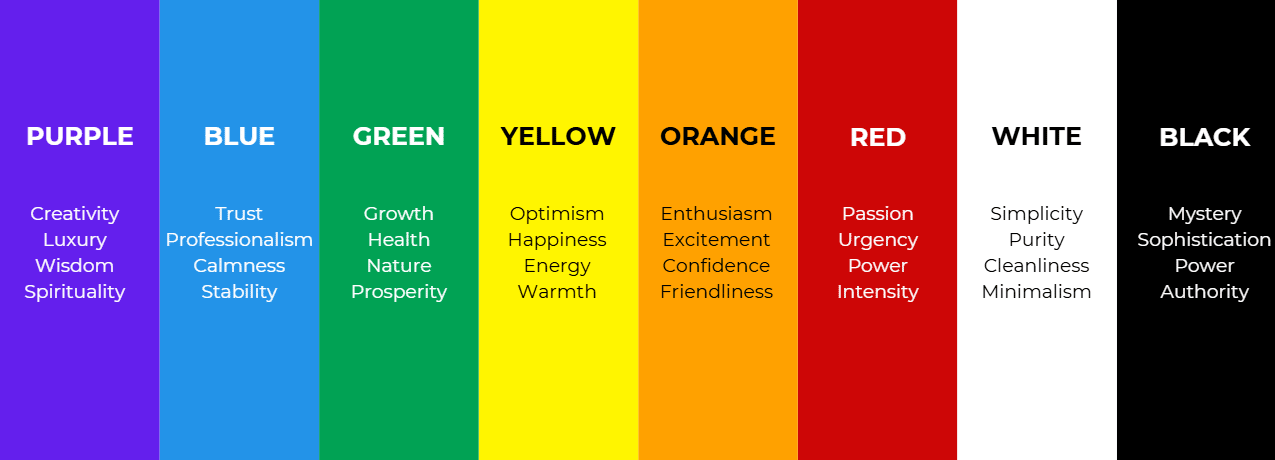
You don’t need to overthink this.
Just choose 1–3 colors you like.
Whatever you choose, keep it consistent across content, profiles, and designs.
Recap
Alright, let’s take a step back.
You’ve just done the groundwork that most people skip, the internal build that makes your external presence actually work.
By the end of today, you should have:
✓ Defined your core brand identity
✓ Picked 3–5 mentors
✓ Chosen your brand voice style
✓ Written down your strengths and weaknesses
✓ Selected 1–3 brand colors
This is the foundation of your Creator Character.
Don’t rush this part.
The clearer you are on who you are, the easier everything else becomes:
Writing, posting, building an audience, selling…
And remember, this isn’t something you have to lock in forever.
Your Creator Character will grow and evolve as you do.
You’ll refine your tone, shift your focus, maybe even rebuild your mission from scratch.
And that’s totally okay. :)
Think of what you’ve built today as version 1.0.
A solid foundation you’ll keep iterating on as you learn, create, and build.
Next Steps
Alright, you’ve built the base layer of your Creator Character, now it’s time to use it.
If you’re ready to take the first real step and start building your personal brand on 𝕏, I’ve got something for you…
The 𝕏 Growth Kickstart
It’s free 5-day email course that walks you through the entire process.
Made specifically for builders who want to grow on 𝕏:
You will learn how to:
✓ Build a high-converting 𝕏 profile
✓ Create daily tweets with AI that get seen
✓ Turn ChatGPT into your personal 𝕏 growth assistant
It’s the best place to start putting everything from this article into action.
But if you’re not ready to dive straight into 𝕏, or if you just want to learn how to grow across all writing-based platforms, then you’ll love my newsletter:
Write Your Way to Wealth.
That’s where I go deep on everything related to writing online, not just 𝕏.
But every platform where words build trust and income.
I teach you how to write content that grows your audience, strengthens your brand, and actually moves your career and business forward, wherever you decide to post.
Either way, don’t stop here at the end of this article.
You’ve already built version 1.0 of your Creator Character.
Now it’s time to deploy it and start showing the world what you build.
[ Write Your Way To Wealth
Transform your words into wealth with a powerful personal brand. Subscribe now and receive the Ultimate Social Writing Bundle!
By Timo Mason🤠 | Wealth Writer
](https://timomason.substack.com?utm_source=substack&utm_campaign=publication_embed&utm_medium=web)